Dhul Hijjah 2026: The 10 Best Days for Worship and Blessings

Dhul Hijjah is one of the most sacred and spiritually uplifting months in the Islamic calendar. For Muslims around the world, it is a time of worship, sacrifice, gratitude, and reflection. The first ten days of Dhul Hijjah hold immense importance in Islam and are considered among the best days of the entire year. These days provide believers with a unique opportunity to increase their good deeds, strengthen their relationship with Allah, and seek forgiveness and mercy.

In 2026, Muslims across the globe will once again prepare themselves to welcome these blessed days with devotion and sincerity. Whether someone is performing Hajj in the holy city of Mecca or worshipping from home, the first ten days of Dhul Hijjah are filled with rewards and countless blessings.

Muslims praying during the first 10 days of Dhul Hijjah 2026

What is Dhul Hijjah?

Dhul Hijjah is the twelfth and final month of the Islamic lunar calendar. The name “Dhul Hijjah” literally means “the month of pilgrimage.” It is during this month that millions of Muslims travel to Mecca to perform Hajj, one of the five pillars of Islam.

This sacred month is not only associated with Hajj but also with Eid al-Adha, the Festival of Sacrifice, which commemorates the devotion and obedience of Prophet Ibrahim (AS). Muslims remember how Prophet Ibrahim (AS) was willing to sacrifice his beloved son for the sake of Allah, and how Allah replaced the sacrifice with a ram as a mercy and test of faith.

The first ten days of Dhul Hijjah are especially significant because they combine the greatest acts of worship in Islam — prayer, fasting, charity, remembrance of Allah, and pilgrimage.

Why Are the First 10 Days So Special?

The first ten days of Dhul Hijjah are considered the best days of the year in Islam. Prophet Muhammad ﷺ said:

“There are no days in which righteous deeds are more beloved to Allah than these ten days.”

This hadith highlights the extraordinary value of worship during these days. Scholars explain that no other days in the Islamic year gather so many acts of worship together.

Allah Himself swears by these days in the Quran, which further emphasizes their greatness. Muslims are encouraged to increase their acts of devotion and make the most of every moment.

These days are an opportunity for spiritual renewal. People seek forgiveness, perform extra prayers, recite the Quran, give charity, and remember Allah frequently. Even simple good deeds carry immense rewards during this blessed period.

The Connection with Hajj

One of the most important events during Dhul Hijjah is Hajj. Every year, millions of Muslims travel to Masjid al-Haram to fulfill this once-in-a-lifetime obligation if they are financially and physically able.

Hajj is a journey of faith, humility, and unity. Pilgrims wear simple white garments to symbolize equality before Allah. Rich and poor, young and old, people from every race and nation stand together in worship.

The rituals of Hajj remind Muslims of sacrifice, patience, and obedience. Pilgrims visit sacred sites, including Mount Arafat, where they spend the Day of Arafah in prayer and repentance.

For those unable to perform Hajj, the first ten days still offer immense opportunities for spiritual growth and reward.

Islamic mosque decorated for Dhul Hijjah and Eid al-Adha

The Virtue of the Day of Arafah

Among the first ten days, the 9th day of Dhul Hijjah, known as the Day of Arafah, is one of the holiest days in Islam.

Pilgrims gather on the plains of Arafah to pray and seek forgiveness. It is believed that Allah’s mercy descends abundantly on this day and countless sins are forgiven.

For Muslims who are not performing Hajj, fasting on the Day of Arafah is highly recommended. Prophet Muhammad ﷺ said that fasting on this day expiates the sins of the previous year and the coming year.

The Day of Arafah is also a time for heartfelt dua (supplication). Muslims spend the day remembering Allah, asking for guidance, forgiveness, and blessings for themselves and their loved ones.

Eid al-Adha: The Festival of Sacrifice

The 10th day of Dhul Hijjah marks Eid al-Adha, one of the two major Islamic festivals. It is celebrated by Muslims worldwide with joy, prayers, and acts of charity.

Eid al-Adha honors the unwavering faith of Prophet Ibrahim (AS). Muslims who are financially able perform Qurbani, the sacrifice of an animal such as a goat, sheep, cow, or camel. The meat is then distributed among family, friends, and the poor.

This act teaches Muslims the values of sacrifice, generosity, and compassion. It reminds believers that true devotion means putting Allah above worldly desires.

Families gather for Eid prayers, share meals, wear new clothes, and visit relatives and friends. It is a time of happiness and gratitude.

Best Acts of Worship During the 10 Days

Pilgrims performing Hajj in Mecca during Dhul Hijjah

1. Fasting

Fasting during the first nine days of Dhul Hijjah is highly rewarding, especially on the Day of Arafah. Voluntary fasting helps believers increase self-discipline and devotion.

Even if someone cannot fast all nine days, fasting on Arafah alone carries tremendous blessings.

2. Prayer

Muslims are encouraged to perform their five daily prayers on time and increase voluntary prayers. Tahajjud (night prayer) and extra units of worship can bring a person closer to Allah during these blessed days.

3. Recitation of the Quran

Reading and reflecting on the Quran is one of the best acts of worship. Many Muslims set goals to complete portions of the Quran during the ten days.

The Quran provides guidance, peace, and spiritual comfort to believers.

4. Charity

Giving charity during Dhul Hijjah multiplies rewards. Helping the poor, feeding the hungry, supporting orphans, and assisting those in need are all highly encouraged.

Even small acts of kindness can carry great value in the sight of Allah.

5. Dhikr (Remembrance of Allah)

Muslims are encouraged to frequently recite phrases such as:

  • SubhanAllah (Glory be to Allah)
  • Allahu Akbar (Allah is the Greatest)
  • La ilaha illallah (There is no god but Allah)

These words strengthen faith and keep the heart connected to Allah.

Lessons from Prophet Ibrahim (AS)

Dhul Hijjah teaches Muslims powerful lessons through the story of Prophet Ibrahim (AS).

Faith and Obedience

Prophet Ibrahim (AS) demonstrated complete trust in Allah’s command, even when tested with immense difficulty. His example inspires Muslims to remain patient and obedient in all circumstances.

Sacrifice

True sacrifice is not only about giving wealth or animals but also sacrificing pride, sins, bad habits, and selfish desires for the sake of Allah.

Patience

The trials faced by Prophet Ibrahim (AS), Hajar (AS), and Prophet Ismail (AS) remind believers that patience during hardships leads to Allah’s mercy and reward.

Preparing Spiritually for Dhul Hijjah 2026

As Dhul Hijjah 2026 approaches, Muslims can begin preparing themselves spiritually and emotionally.

Make Sincere Intentions

Every act in Islam begins with intention. Muslims should intend to spend these days in worship and goodness.

Seek Forgiveness

Repentance is essential before entering these sacred days. Asking Allah for forgiveness cleanses the heart and renews faith.

Plan Acts of Worship

Creating a simple worship plan can help maximize the blessings of the ten days. This may include fasting schedules, Quran recitation goals, charity plans, and daily duas.

Avoid Sinful Actions

Avoiding gossip, anger, dishonesty, and harmful behavior is important. Good character is a major part of worship in Islam.

Importance of Unity and Compassion

Dhul Hijjah is also a reminder of the unity of the Muslim Ummah. During Hajj, millions gather together regardless of race, language, or nationality. This beautiful gathering reflects equality and brotherhood in Islam.

The month encourages compassion and generosity toward others. Sharing food, helping the needy, and strengthening family ties are all acts loved by Allah.

In a world often divided by conflict and hardship, the spirit of Dhul Hijjah reminds humanity of peace, humility, and kindness.

The Rewards of Good Deeds

Islam teaches that rewards during the first ten days of Dhul Hijjah are greatly multiplied. A small act done sincerely can carry enormous blessings.

Smiling at someone, helping parents, giving charity, praying sincerely, or remembering Allah can all become sources of immense reward.

These days are a chance for believers to transform their lives spiritually and draw closer to Allah.

Dhul Hijjah for Children and Families

Parents often use Dhul Hijjah as an opportunity to teach children about Islamic values and traditions.

Families may:

  • Read stories of Prophet Ibrahim (AS)
  • Encourage children to fast part of the day
  • Teach duas and dhikr
  • Involve children in charity work
  • Celebrate Eid together

These activities help children develop love for Islam and understand the significance of this blessed month.

A Time for Reflection

The first ten days of Dhul Hijjah are not only about rituals but also about self-reflection. Muslims reflect on their relationship with Allah, their actions, and their goals for the future.

Many people use this time to:

  • Strengthen faith
  • Leave bad habits
  • Improve relationships
  • Increase gratitude
  • Renew spiritual commitment

The blessings of these days can inspire positive changes that continue throughout the year.

Conclusion

Dhul Hijjah 2026 will once again bring Muslims a precious opportunity to seek Allah’s mercy, forgiveness, and blessings. The first ten days are truly among the most sacred days of the year, filled with spiritual rewards and powerful reminders of faith, sacrifice, and devotion.

From fasting and prayer to charity and remembrance of Allah, every good deed performed during these days carries immense significance. The stories of Prophet Ibrahim (AS) and the rituals of Hajj inspire Muslims to strengthen their trust in Allah and live with sincerity and compassion.

Whether one is standing on the plains of Arafah or worshipping from home, the first ten days of Dhul Hijjah are a chance to renew the soul and grow closer to Allah.

As Muslims around the world prepare for Dhul Hijjah 2026, these blessed days serve as a reminder that faith, patience, gratitude, and sacrifice are timeless values that guide believers toward peace and success in this life and the hereafter.

Mufti Menk – One of the Top Muslim Scholars in the World

Mufti Menk is one of the most popular and respected Muslim scholars in the modern world. Millions of Muslims follow his lectures, reminders, and Islamic teachings on social media platforms such as YouTube, Facebook, Instagram, and X. He is known for his calm speaking style, positive message, and ability to explain Islam in a simple and easy-to-understand way.

Mufti Menk has inspired people from all age groups, especially young Muslims who want to learn about Islam in a modern and practical way. His lectures focus on peace, patience, kindness, family values, repentance, and building a strong relationship with Allah. Because of his friendly and relatable style, many people around the world consider him one of the top Muslim scholars today.

Mufti Menk delivering an Islamic lecture to a large audience

Early Life and Background

Mufti Menk was born in Zimbabwe and comes from a religious family with roots connected to Islamic scholarship. From a young age, he showed great interest in Islamic studies and memorized the Holy Quran. His family encouraged him to gain knowledge and spread goodness among people.

He later traveled to different countries to continue his Islamic education. He studied Arabic language, Quran, Hadith, and Islamic law under respected scholars. His dedication to learning helped him become a highly knowledgeable Islamic teacher and speaker.

Today, Mufti Menk is recognized internationally for his contribution to Islamic education and dawah.

Education and Islamic Knowledge

One of the reasons why Mufti Menk is highly respected is because of his strong Islamic education. He studied Islamic sciences in detail and spent years gaining knowledge from authentic institutions and scholars.

His educational journey includes:

  • Memorizing the Holy Quran
  • Studying Arabic language
  • Learning Tafsir (Quran explanation)
  • Studying Hadith
  • Islamic jurisprudence (Fiqh)
  • Islamic history and ethics

Mufti Menk uses authentic Islamic references in his lectures while presenting them in simple language. This combination of knowledge and communication skills has made him famous globally.

Mufti Menk speaking about Islamic teachings and motivation

Why Mufti Menk Is So Popular

Many Islamic scholars are knowledgeable, but Mufti Menk became especially popular because of the way he connects with people. His speeches are emotional, practical, and easy to understand.

1. Simple Speaking Style

Mufti Menk avoids complicated language. He explains Islamic teachings in a simple way that ordinary people can understand easily.

2. Positive Message

His lectures focus on hope, mercy, forgiveness, and self-improvement rather than negativity. People feel motivated after listening to him.

3. Youth Connection

Young Muslims relate to his examples and modern communication style. He discusses real-life problems faced by students, families, and social media users.

4. Family and Relationship Advice

Mufti Menk often talks about marriage, parents, children, friendships, and respect. His advice helps many Muslim families improve their relationships.

5. Social Media Presence

He actively uses YouTube, Instagram, Facebook, and X to spread Islamic reminders worldwide. His videos receive millions of views.

Famous Topics Discussed by Mufti Menk

Mufti Menk covers a wide range of Islamic and motivational topics. Some of his most famous lecture themes include:

Repentance and Forgiveness

One of his strongest messages is that Allah’s mercy is greater than all sins. He encourages people to return to Allah no matter what mistakes they made.

Patience During Difficulties

He teaches Muslims to remain patient during hard times and trust Allah’s plan.

Importance of Salah

Mufti Menk regularly reminds Muslims about prayer and maintaining a strong connection with Allah.

Respect for Parents

He strongly emphasizes kindness and obedience toward parents.

Marriage and Relationships

Many people follow his lectures about marriage, love, trust, and family life.

Mental Peace

His motivational talks help people dealing with stress, sadness, or anxiety by encouraging faith and positivity.

Portrait of Mufti Menk smiling during a conference

Impact on Muslim Youth

One of Mufti Menk’s biggest achievements is his influence on young Muslims. Many young people who were disconnected from religion became interested in Islam after listening to his lectures.

He speaks about:

  • Modern challenges
  • Social media addiction
  • Respect and discipline
  • Identity as Muslims
  • Peer pressure
  • Faith in difficult times

His balanced and compassionate approach helps young Muslims feel understood rather than judged.

Mufti Menk delivering an Islamic lecture to a large audience

International Recognition

Mufti Menk has traveled to many countries for Islamic conferences, lectures, and events. Muslims from different cultures appreciate his message because it focuses on unity, kindness, and good character.

He has spoken in:

  • United Kingdom
  • United States
  • Saudi Arabia
  • Malaysia
  • Pakistan
  • South Africa
  • India
  • Canada
  • Australia

His lectures attract thousands of attendees at Islamic events worldwide.

Lessons Muslims Learn from Mufti Menk

There are many important life lessons Muslims learn from Mufti Menk’s speeches.

Be Kind to Everyone

He teaches that kindness is an important part of Islam.

Never Lose Hope

No matter how difficult life becomes, Muslims should never lose hope in Allah’s mercy.

Improve Yourself Daily

Mufti Menk encourages self-improvement step by step rather than expecting perfection immediately.

Control Anger

He reminds people to stay calm and avoid harmful behavior.

Stay Close to the Quran

Reading and understanding the Quran is one of his most repeated pieces of advice.

Criticism and Challenges

Like many public figures, Mufti Menk has also faced criticism from some groups. However, he continues focusing on spreading positive Islamic messages peacefully.

Despite differences in opinions among Muslims, many people respect him for:

  • Promoting unity
  • Avoiding hate speech
  • Encouraging good manners
  • Speaking respectfully

His calm approach has helped him maintain a large and loyal audience worldwide.

Mufti Menk’s Ramadan Lectures

During Ramadan, Mufti Menk’s lecture series become extremely popular. Muslims around the world listen to his daily reminders after fasting and Taraweeh prayers.

His Ramadan topics often include:

  • Stories of prophets
  • Quran explanation
  • Repentance
  • Worship and spirituality
  • Self-discipline
  • Charity and forgiveness

Many families make his Ramadan lectures part of their daily routine.

Influence Beyond Muslims

Interestingly, Mufti Menk’s speeches are not only watched by Muslims. Some non-Muslims also listen to his motivational talks because of his positive attitude and universal life lessons.

His emphasis on:

  • Respect
  • Compassion
  • Honesty
  • Peace
  • Gratitude

appeals to people from different backgrounds.

Best Qualities of Mufti Menk

Humility

Despite his popularity, Mufti Menk is known for remaining humble and approachable.

Wisdom

His advice combines Islamic teachings with practical life experience.

Humor and Simplicity

He sometimes uses light humor in lectures, making difficult topics easier to understand.

Balanced Approach

He encourages moderation, respect, and understanding among Muslims.

Consistency

He regularly shares beneficial reminders and stays active in Islamic education.

Why People Love Mufti Menk

Millions of people love Mufti Menk because he makes Islam feel approachable, peaceful, and hopeful. His lectures help people improve spiritually without feeling overwhelmed.

People appreciate:

  • His gentle tone
  • Positive reminders
  • Authentic Islamic teachings
  • Relatable examples
  • Focus on mercy and forgiveness

For many Muslims, his lectures became a source of motivation and spiritual comfort.

Mufti Menk and Modern Dawah

Modern technology changed how Islamic knowledge spreads, and Mufti Menk became one of the leading scholars using digital platforms effectively.

He proved that Islamic dawah can:

  • Reach millions online
  • Inspire youth globally
  • Spread positivity
  • Educate people easily

His success encouraged many other scholars to use social media for Islamic education.

Conclusion

Mufti Menk is undoubtedly one of the top Muslim scholars in the world today. His knowledge, humility, motivational speaking style, and positive Islamic message made him beloved by millions across different countries.

Through lectures, social media, and public events, he continues inspiring Muslims to strengthen their faith, improve their character, and stay connected to Allah. His focus on mercy, patience, kindness, and self-improvement has made a lasting impact on modern Islamic education.

For anyone looking for Islamic motivation, practical life advice, or spiritual reminders, Mufti Menk remains one of the most trusted and influential Muslim scholars of this generation.

Top Books about Independence of India

Top Books about Independence of India: In this content, you will read a list of books that are written by some Urdu writers on the topic of the Independence of India from British rulers. In these books, the writers prove how the Muslims gave sacrifices to free India from the foreign rulers. We have given the original names of books and their writers’ names below.

Independence day of India

Top Books about Independence of India

    1. Azadi se Jumhooriyat Tak
    2. Tahreek e Azadi me Muslim Ulama aur Awam Ka Kirdar
    3. Tareekh e Jang e Azadi e Hind 1857,
    4. Hazrat Thanvi aur Tahreek e Azadi
    5. Tareekh e Tahreek  e Azadi e Hind
    6. Tahreek e Azadi
    7. Buzurgan e Deoband aur Siyasi Khidmat
    8. Hind ki Jang e Azadi me Musalmano ka Hissa
    9. Tahreek e Azadi me Ulama ka Kirdar
    10. Tahreek e Shaikh Ul Hind
    11. Tahreek e Reshmi Roomal,
    12. Tahreek e Reshmi Roomal- Mukhtasar Taaruf
    13. Reshmi Roomal Tahreek aur Shaikhul Hind
    14. Shah Waliyullah Aur Unki Siyasi Tahreek
    15. Tahreek e Azadi e Fikr aur Shah Waliyullah Ki Tajdeedi Masayi,
    16. Hindustan ki Jang e Azadi aur Ulama e Ludhiyana
    17. Hind ki Pahli Islami Tahreek
    18. Maidan e Shamli wa Thana Bhuwan aur Sarfaroshan e Islam
    19. Tahreek e Azadi aur Islah e Awam men Adab e Islami ka Hissa
    20. Azadi ki Nazmen
    21. Khutbat e Azadi e Watan
    22. Azadi e Hind men Musalmano ka Kirdar
    23. Safarnama Aseer e Malta
    24. Hamen Bartanwi Samraj ne Kese Loota Top Books about Independence of India

    Top Books about Independence of India

    آزادی سے جمہوریت تک /ندیم الواجدی

  • تحریک آزادی میں مسلم علماء اور عوام کا کردار /مفتی سلمان منصور پوری
  •  تاریخ جنگ آزادی ہند 1857 /سید خورشید مصطفی رضوی
  • حضرت تھانوی اور تحریک آزادی /پروفیسر احمد سعید
  •  تاریخ تحریک آزادئ ہند /تارا چند
  •  تحریک آزادی /آزاد
  • بزرگان دارالعلوم دیوبند اور سیاسی خدمات
  • ہند کی جنگ آزادی میں مسلمانوں کا حصہ/ ڈاکٹر مظفرالدین فاروقی
  •  تحریک آزادی میں علماء کا کردار /فیصل ندوی
  •  تحریک شیخ الہند /سید محمد میاں
  •  تحریک ریشمی رومال نمبر/الجمعیۃ
  •  تحریک ریشمی رومال ایک مختصر تعارف /مفتی سلمان منصورپوری
  •  ریشمی رومال تحریک اور شیخ الہند
  •  شاہ ولی اللہ اور ان کی سیاسی تحریک /عبیداللہ سندھی
  •  تحریک آزادی فکر اور شاہ ولی اللہ کی تجدیدی مساعی /اسماعیل سلفی
  •  ہندوستان کی جنگ آزادی اور علماء لدھیانہ
  •  ہند کی پہلی اسلامی تحریک /مسعود عالم ندوی
  •  میدان شاملی و تھانہ بھون اور سرفروشان اسلام
  •  تحریک آزادی اور اصلاح عوام میں ادب اسلامی کا حصہ /ابوالحسن ندوی
  •  آزادی کی نظمیں /سبط حسن
  •  خطبات آزادی وطن /ابراہیم گجراتی (2)
  •  آزادی ہند میں مسلمانوں کا کردار /یونس قاسمی
  • سفرنامہ اسیر مالٹا /مولانا حسین احمد مدنی
  •  ہمیں برطانوی سامراج نے کیسے لوٹا /مولانا حسین احمد مدنی

Conclusion:

That’s all about in this article, we will add these books’ links so that you can read these books online.

Related Tags: Top Books about Independence of India
Ramadan Kareem – The month of training, blessings and forgiveness


fivepillarsof-islam.com ramdan kareem

Nawaqid al-Wudu – Nullifiers of ablution – Things That Invalidate Wudu

Nawaqid al-Wudu – Nullifiers of ablution – (Nullifiers of Wudu) Things That Invalidate Wudu (Invalidators of Wudu) In this article, we have covered the invalidators of ablution, kinds of ablution and we have also mentioned the things which are not invalidators. You may read here when the ablution is necessary or obligatory and when it is desirable.

invalidators of ablution nawaqid e wudu

Nawaqid al-Wudu – Nullifiers of ablution

Kinds of ablution

  1. Obligatory
  2. Compulsory
  3. Desirable

Invalidators of ablution

The ablution is invalidated if one of the following happens:

  1. anything like urine excrement of flatus comes out of either the penis or the anus.
  2. blood or pus comes out of the body and spreads of the skin such that the purification of the skin becomes necessary
  3. blood comes out with saliva in a quantity greater than or equal to saliva
  4. the person vomits out food water blood clot or bile and the quantity is a mouthful.
  5. the person sleeps and his buttocks do not remain on the ground.
  6. he falls unconscious
  7. he loses sanity
  8. he gets intoxicated
  9. A non-sleeping adult laughs with sound during a salah consisting of bowings and prostrations.

If a child laugh loudly in a salah, his ablution will not be invalidated

The ablution of a sleeping person is also not invalidated due to a loud laugh

Similarly, if the person laughs loud in funeral salah or Quran recitation prostration his ablution remains valid.

The things which do not invalidate ablution

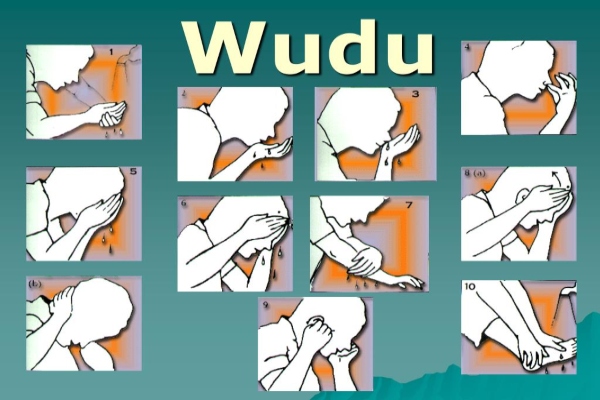
how to perform ablution wudu steps

The following things appear similar to ablution invalidators but they are not ablution invalidators

  • Blood appears at a cut but does not flow over its place
  • A piece of flesh falls down but blood does not flow out
  • A person vomits but the vomit is not a mouthful
  • A worm comes out of a wound an ear
  • He vomits phlegm
  • A Salah offerer falls asleep during salah
  • He touches his penis with his hand
  • The person touches another person of the opposite sex
  • A sleeping person sways while in a posture that does not invalidate ablution.

When is ablution obligatory?

For

  • Offering salah
  • Funeral salah
  • Prostration of Quran recitation
  • Touching the Holy Quran

When is ablution compulsory (Wajib)?

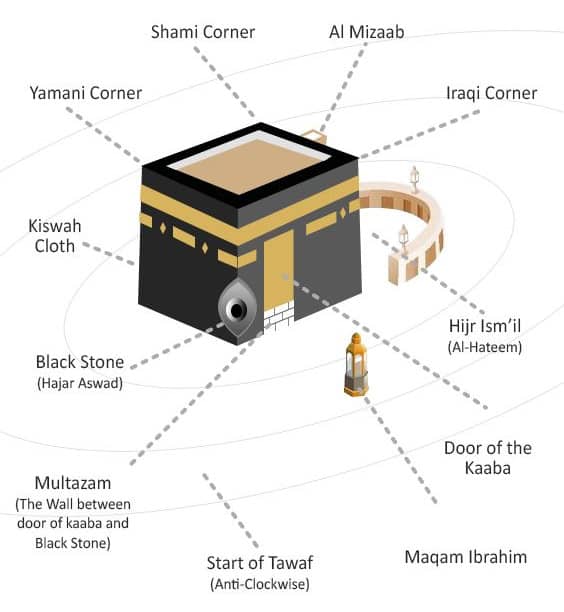
  • Ablution is compulsory (Wajib )for circumambulation of Kabah

When is ablution desirable?

complete hajj guide

Ablution is desirable in the following cases:

for

  • Sleeping with ceremonial purity
  • Reciting the Holy Quran verbally
  • Reading or narrating hadiths
  • Studying any Islamic book
  • Major salah call (Adaan)
  • Delivering Fridays Arabic sermon (Khutba)
  • Visiting prophets pilgrimage (Roza)
  • Running between Safa and Marwah to and fro during the pilgrimage. (Saee)
  • Bathing a dead body
  • Carrying a dead body towards the grave
  • Ablution over the existing ablutionary state with the intention of earning the reward.
  • On getting up from sleep
  • To be with ceremonial purity perpetually
  • After committing an act of backbiting slander or lying and any other kind of sin
  • After loud laughter outside salah
  • At the time of every salah
  • Before bathing
  • Before eating drinking or sleeping
  • When angry

That’s all in this article. Hope you would be feeling happy to be with us here. Follow us to read more articles like it. Jazakallah

RELATED TAGS: Nawaqid al-Wudu – Nullifiers of ablution

nawaqid of wudu
what breaks wudu for a woman
what breaks wudu hanafi
things that break wudu
what breaks wudu
nawaqid wudu
things that invalidate wudu
nawaqid meaning in English